Coffee can taste remarkably different depending on where it is grown. Soil, elevation, climate, rainfall, processing, and farming methods all influence the final cup. Single-origin coffee allows drinkers to experience these regional differences more clearly.
Unlike blends that combine beans from multiple locations, single-origin beans come from one country, region, farm, or cooperative. This clear coffee origin allows drinkers to recognize distinctive flavors and better understand the journey from the growing region to the cup.
Single-origin coffee is produced from beans connected to one identifiable location. The label may refer to a country, a specific growing region, one estate, or a group of nearby farms.
Origin coffee beans are often chosen because they reflect the natural characteristics of their environment. Elevation, soil quality, temperature, shade, and harvesting methods may all shape the coffee tasting notes.
Single-origin does not automatically mean that every bean tastes the same. Even coffee grown within one country can vary greatly between regions and farms. However, it usually offers a more focused flavor profile than a blend containing beans from several origins.
Coffee grows best in particular climates, and each producing region has its own natural conditions. Some areas produce bright, fruity coffee, while others are known for chocolate, nut, spice, floral, or caramel-like flavors.
Coffee origin also creates a stronger connection between the drinker and the people who grow the beans. Traceable coffee may provide clearer information about the farm, region, processing style, or harvest.
This transparency can make the brewing experience more meaningful. Instead of simply drinking a dark or medium roast, customers can appreciate how location and production influence aroma, body, sweetness, and acidity.
Ethiopian coffee is often associated with bright, floral, fruity, or tea-like characteristics. Depending on the region and processing method, it may offer tasting notes that suggest berries, citrus, jasmine, or stone fruit.
These coffees are often enjoyed by people who prefer a lively and aromatic cup. Light or medium roasting can preserve many of their delicate qualities.
Pour-over brewing is a popular way to experience Ethiopian single-origin coffee because it can produce a clean cup that allows subtle flavors to stand out.
Colombian coffee is widely appreciated for its balance. It may offer mild acidity, medium body, and flavors resembling caramel, chocolate, nuts, or fruit.
Because of its smooth and approachable character, Colombian coffee can work well for daily brewing. It is suitable for drip machines, pour-over equipment, French presses, and other common home methods.
Colombian single-origin beans may be a practical choice for drinkers who want noticeable regional character without an overly intense or unusual flavor.
Guatemalan coffee often has a full body and a rich flavor profile. Common tasting impressions may include chocolate, cocoa, spice, caramel, nuts, or gentle fruit notes.
The country contains several growing areas with different elevations and climates, so the exact flavor depends on the region. Some coffees are smooth and sweet, while others have brighter acidity and more complex aromas.
Guatemalan coffee can be especially enjoyable for people who prefer a comforting, well-rounded cup with noticeable depth.
Kenyan coffee is often recognized for its bold acidity and vivid fruit character. Some varieties may suggest berries, citrus, black currant, or wine-like flavors.
These beans can produce a bright and energetic cup that appeals to adventurous coffee drinkers. Because the flavor can be intense, careful brewing is important.
A pour-over method can help reveal the clarity and complexity of Kenyan coffee. Drinkers who prefer lower acidity may choose a medium roast or use a brewing method that creates a fuller body.
Brazilian coffee is commonly known for its smooth body and lower acidity. It may include flavors resembling chocolate, nuts, cocoa, caramel, or mild sweetness.
These characteristics make Brazilian beans versatile and easy to enjoy. They can work well as single-origin coffee or as a base for blends.
Brazilian coffee is often suitable for drip brewing, French press, espresso, and cold brew. It may appeal to people who prefer a rich, familiar taste without sharp acidity.
Single-origin coffee and blends serve different purposes. Single-origin beans emphasize the qualities of one location, while blends combine coffees to create consistency, balance, or a specific flavor.
A blend may provide a dependable cup throughout the year. Single-origin coffee may change between harvests, allowing drinkers to experience seasonal differences.
Neither option is automatically better. Single-origin coffee is ideal for exploring coffee growing regions, while blends may suit people who want a familiar everyday flavor.
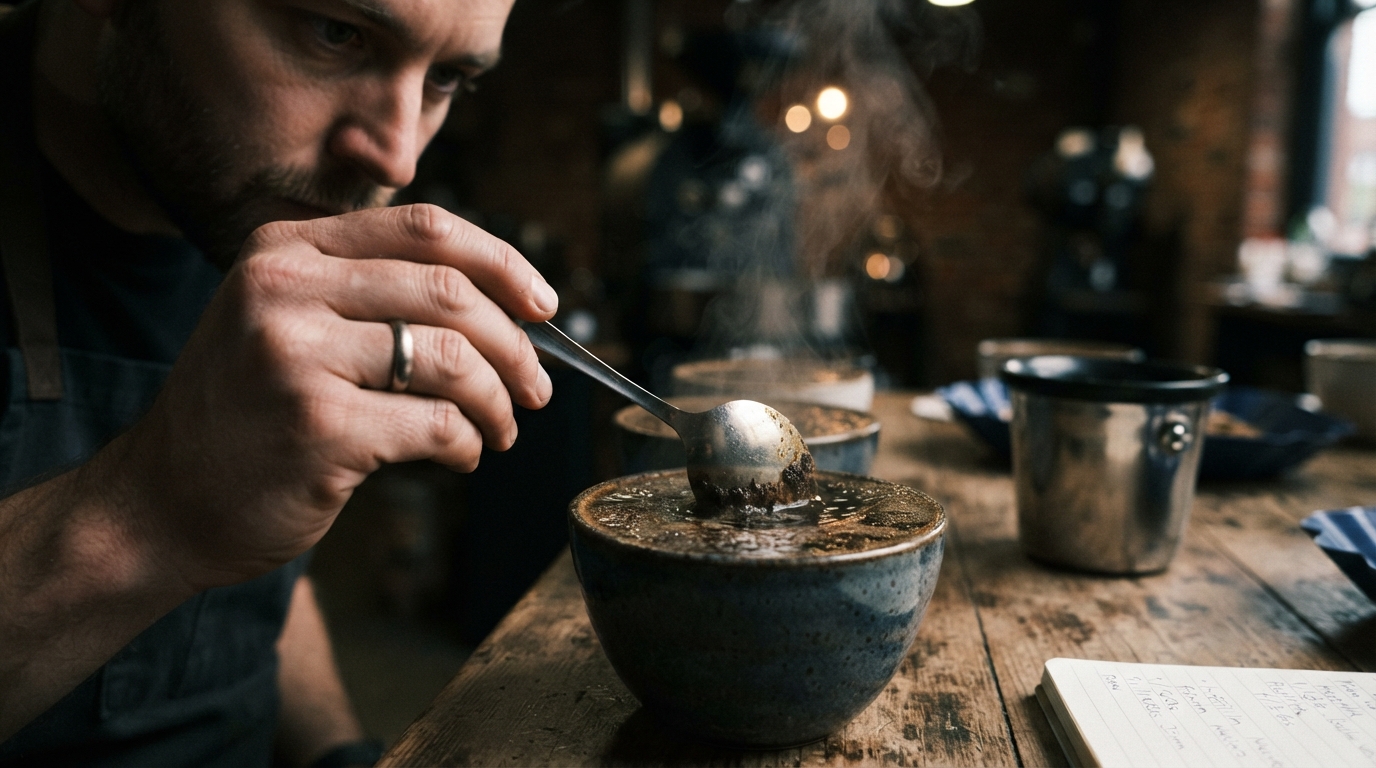
Coffee tasting notes describe flavors and aromas that the coffee may remind you of. A label mentioning chocolate, berries, citrus, or caramel does not mean these ingredients were added.
These impressions develop naturally from the bean variety, growing environment, processing method, roast, and brewing technique. Taste is personal, so each drinker may notice something different.
Trying coffee without milk or sweeteners at first may make its natural qualities easier to recognize.
People searching for coffee growing regions near me may not live near coffee farms, but they can still find freshly roasted beans from respected growing areas. Jolly Old Elf Coffee offers coffee drinkers in Texas an opportunity to explore distinctive origins and flavor profiles.
Choose beans according to your preferred brewing method and taste. Bright African coffees may suit those who enjoy fruit and floral notes, while Central and South American coffees often provide chocolate, nut, caramel, and balanced flavors.
Single-origin coffee comes from one identifiable country, region, farm, estate, or cooperative rather than combining beans from multiple unrelated locations.
Not necessarily. Single-origin coffee displays regional character, while blends are created for balance, consistency, and a particular flavor experience.
There is no single best country. Ethiopia, Colombia, Guatemala, Kenya, Brazil, and other regions produce excellent beans with different flavors and qualities.
The taste depends on its origin. It may feature floral, fruity, chocolate, caramel, nutty, spicy, citrus, or berry-like notes.
Texas coffee drinkers can explore single-origin options from Jolly Old Elf Coffee and choose beans based on roast level, origin, and preferred flavor profile.