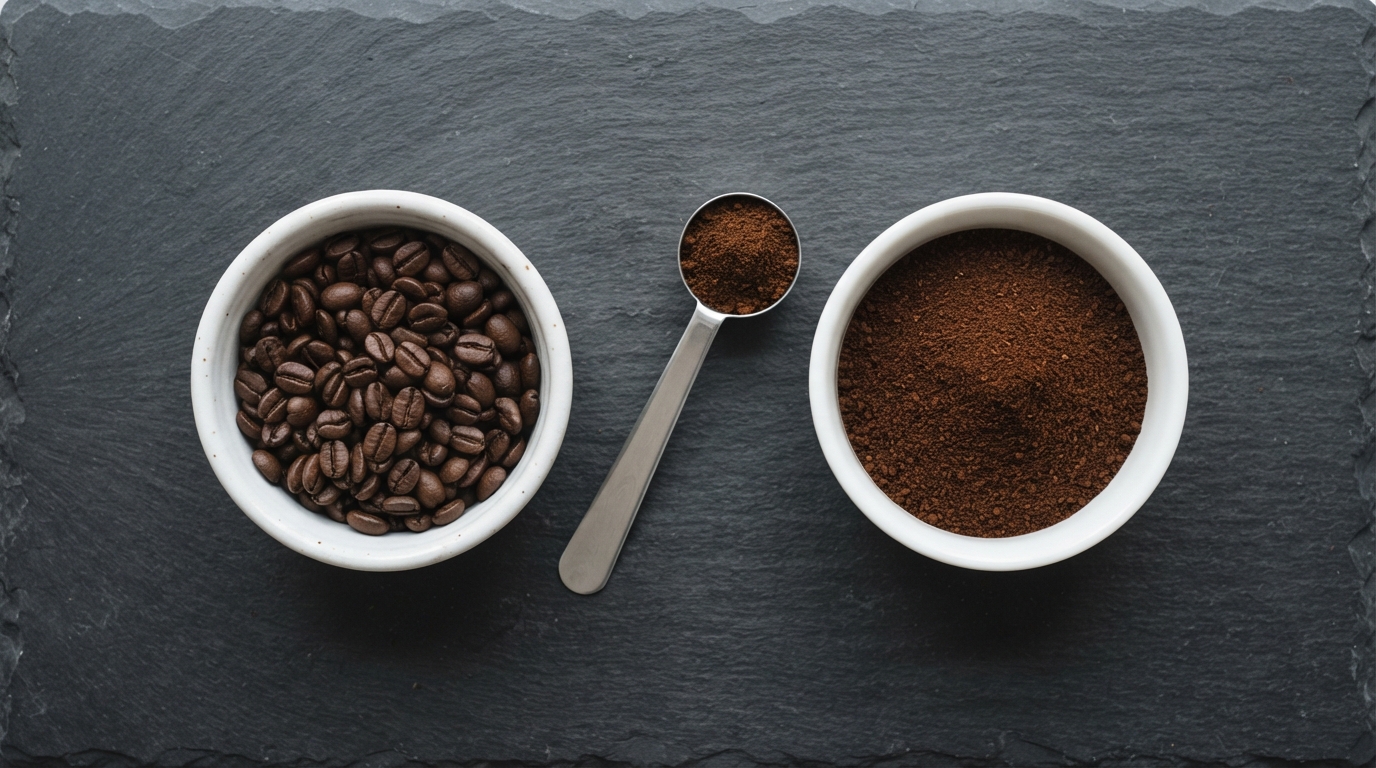
Choosing between whole bean coffee and ground coffee can have a noticeable effect on the flavor, aroma, freshness, and convenience of your daily cup. Both options can produce enjoyable coffee, but they meet different needs. Whole coffee beans offer greater control and tend to preserve their flavor longer, while pre-ground coffee provides a faster and simpler brewing routine.
Understanding the differences in the Whole Bean vs Ground Coffee comparison can help you decide which option fits your equipment, schedule, taste preferences, and home brewing habits.
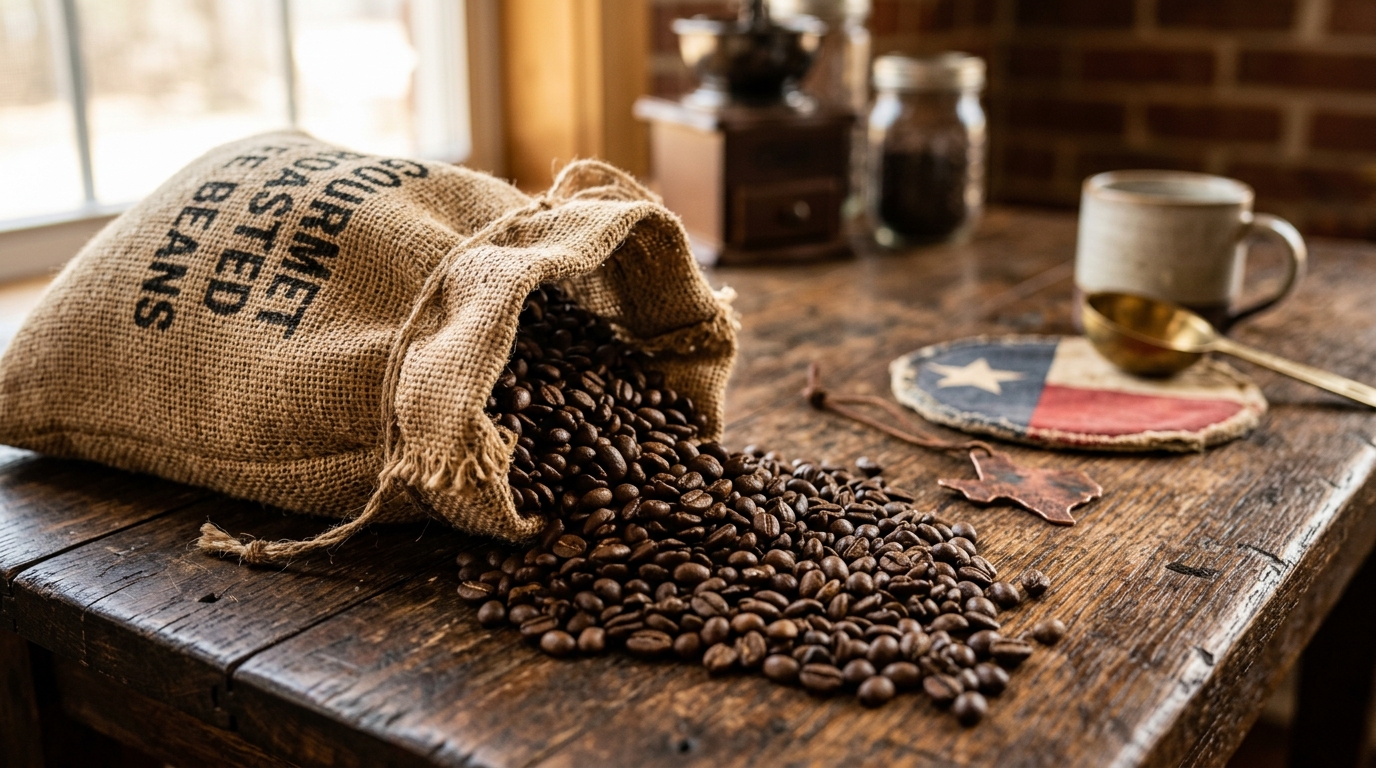
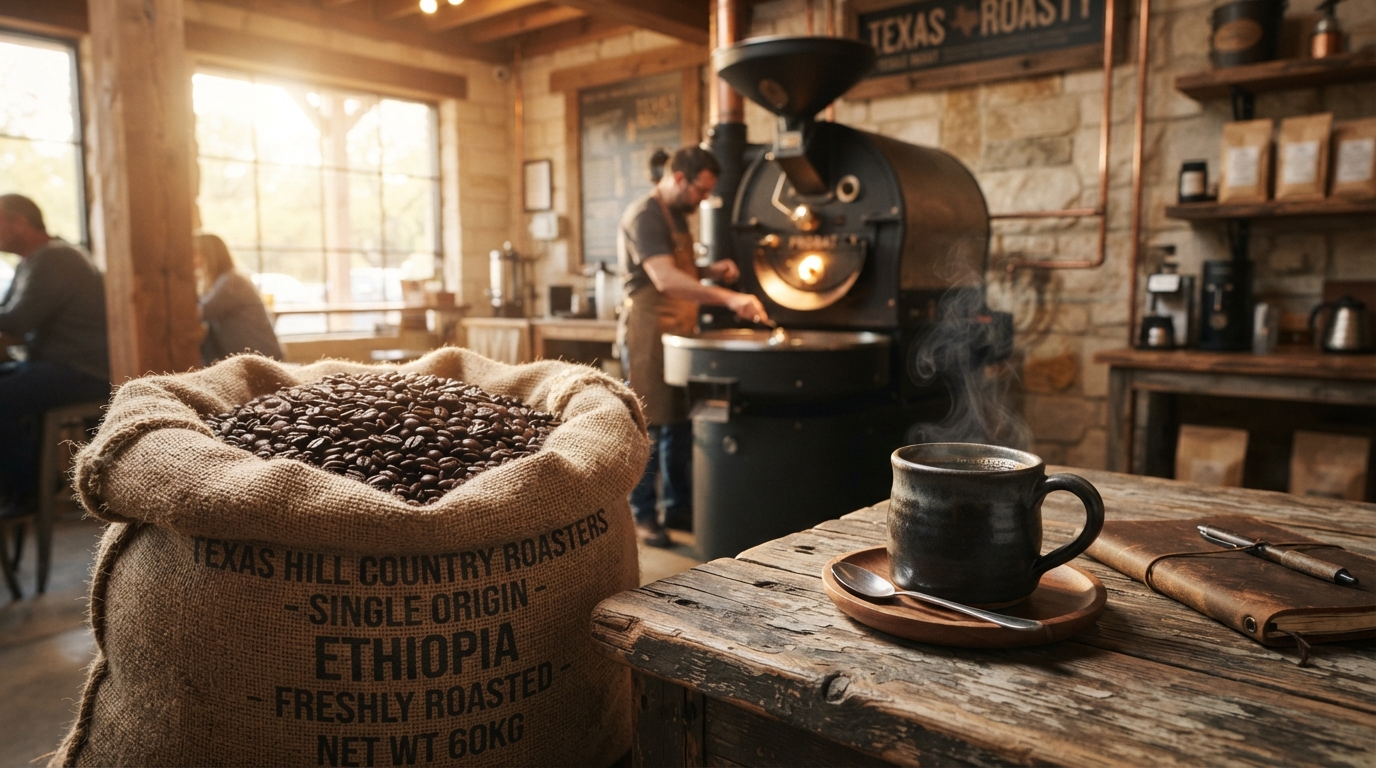
Whole bean coffee is sold in its complete roasted form and must be ground before brewing. Because the beans remain intact, less of their surface is exposed to air. This helps protect the natural oils and aromatic compounds responsible for coffee’s flavor and fragrance.
Grinding coffee at home allows you to prepare only the amount needed for each batch. You can also adjust the coffee grind size according to your brewing method. A French press requires coarse grounds, a drip brewer usually needs a medium grind, and pour-over equipment often works best with a medium-fine texture.
Whole beans are a strong choice for coffee drinkers who value freshness, customization, and a fuller brewing experience.
Ground coffee has already been processed into smaller particles before packaging. It can be added directly to a brewer without using a coffee grinder, making it useful for busy mornings, office settings, travel, or anyone who wants a simple routine.
The main disadvantage is that ground coffee has more surface area exposed to air. Once the package is opened, oxygen, moisture, light, and heat can begin affecting its aroma and taste more quickly.
People searching for pre-ground coffee near me may still find high-quality options, especially when the coffee is roasted and packaged carefully. Choosing the correct grind for your brewing equipment is important because one grind size does not work equally well for every method.
Coffee freshness is generally easier to maintain with whole beans. The bean’s outer structure helps protect the flavor until it is broken apart. Once coffee is ground, more of it comes into contact with the surrounding environment, causing the aroma to fade faster.
Whole coffee beans should still be stored carefully. Keep them in an airtight container in a cool, dry cabinet away from direct sunlight, steam, and strong odors. Avoid placing coffee near the stove or leaving the package open for long periods.
Someone searching for coffee storage near me may consider an airtight coffee canister, but proper placement is equally important. Even a good container cannot fully protect beans if it is kept in a hot or humid area.
Fresh ground coffee often provides a stronger aroma and more noticeable flavor because it is brewed soon after grinding. The natural oils and fragrance remain better protected inside the intact bean.
Pre-ground coffee can still taste good, but its flavor may become less distinct after the package has been open for some time. Proper storage and buying manageable quantities can help reduce this loss.
Flavor also depends on roast level, bean quality, water temperature, brewing time, and equipment cleanliness. Whole bean coffee gives you more control, but it will not automatically produce a perfect cup without the right brewing technique.
Coffee grinding affects how quickly water extracts flavor from the grounds. Fine particles expose more surface area and brew quickly, while coarse particles require more contact time.
Using the wrong coffee grind size can create an unbalanced cup. Grounds that are too fine may produce bitter or overly strong coffee. Grounds that are too coarse may result in a weak, thin, or sour taste.
When you grind coffee beans at home, you can adjust the texture for each brewer. A consistent grind helps the grounds extract at a similar rate, producing a smoother and more balanced cup.
A coffee grinder is a useful addition to a home brewing setup. Blade grinders are usually affordable and simple, but they may create uneven particles. Burr grinders crush beans between two surfaces and generally produce a more consistent texture.
Consistency matters because small and large particles can extract differently during the same brewing cycle. A burr grinder can offer better control when switching between French press, drip, and pour-over coffee.
Grind only the amount you plan to brew. Grinding a large quantity in advance reduces one of the main freshness benefits of buying whole beans.
Ground coffee is the more convenient option. It requires less equipment, creates less cleanup, and saves time. It may be the right choice for someone who values speed more than adjusting every part of the brewing process.
Whole bean coffee takes an extra step, but grinding usually requires only a short amount of time. Many coffee drinkers enjoy the fresh aroma and the ability to control their cup.
Jolly Old Elf Coffee provides quality coffee options for different home brewing preferences. The best choice depends on whether you prioritize convenience, freshness, control, or a combination of all three.
Whole bean coffee usually stays fresh longer and offers greater control over grind size. Ground coffee is more convenient and can still provide enjoyable flavor when stored properly.
Whole beans remain at their best when used reasonably soon after roasting and stored in an airtight container away from heat, light, air, and moisture.
Grind coffee beans shortly before brewing to preserve more aroma and flavor. Prepare only the amount needed for your current batch.
Freshly ground whole beans usually provide a stronger aroma and more distinct flavor, although bean quality, storage, water, and brewing technique also affect the result.
Yes. Whole bean coffee is worth considering when freshness, flavor, and control over grind size are important parts of your home brewing routine.